Fear is human, but hatred and discrimination is a conscious choice — so it is time to change the word “homophobia”, argues Nayonika Sen, 15, from Shiv Nadar School Noida.
I hate the word homophobia.
A phobia is defined as an intense, persistent, and irrational fear of a specific object, situation, activity, or person that is out of proportion to the actual danger.
But the people screaming slurs at strangers, and lobbying against equal rights because of their sexuality, are not afraid —they are repulsed by love.
Laws designed to criminalise queer existence, bullying, disowning children, and public ridicule are not irrational panic. They are conscious acts of cruelty, dressed in the language of morality and tradition.
What we call homophobia is not a phobia. It is a choice.
I grew up hearing the word “gay” used more often as an insult than an identity. Boys called each other chhakka — Indian slang for transgender individuals or eunuchs — and other derogatory terms for laughing too loudly, dressing differently, or simply failing to fit into society’s standard of masculinity. This mindset is not one built on the premises of fear; it is systemic discrimination disguised as humour.
Children inherit these ideas long before they can fully comprehend them. They are taught to mock and shun. Society is socially conditioned into believing that this cruelty is righteousness.
Ironically, these same societies enthusiastically applaud films like Call Me by Your Name and Brokeback Mountain and praise the emotional depth of literary pieces like The Happy Prince. Calling it ‘progressive’ storytelling.
They will romanticise queer suffering as art, and refuse queer people the dignity of ordinary existence.
This is not a contradiction. It is a very particular kind of cruelty —the kind that allows you to consume someone’s pain as beauty while simultaneously ensuring they keep producing it.
Society is willing to romanticise queerness as a tragedy worth watching. It is far less comfortable with queerness as a life worth living.
Perhaps that says something deeply unsettling about us.
We live in a world where children being shot daily, women being harassed out on the streets, and atrocities committed on a scale that should make us inconsolable, have become horrifyingly easy to scroll past. They flare into headlines, debated for a few days before dissolving into the white noise of modern life.
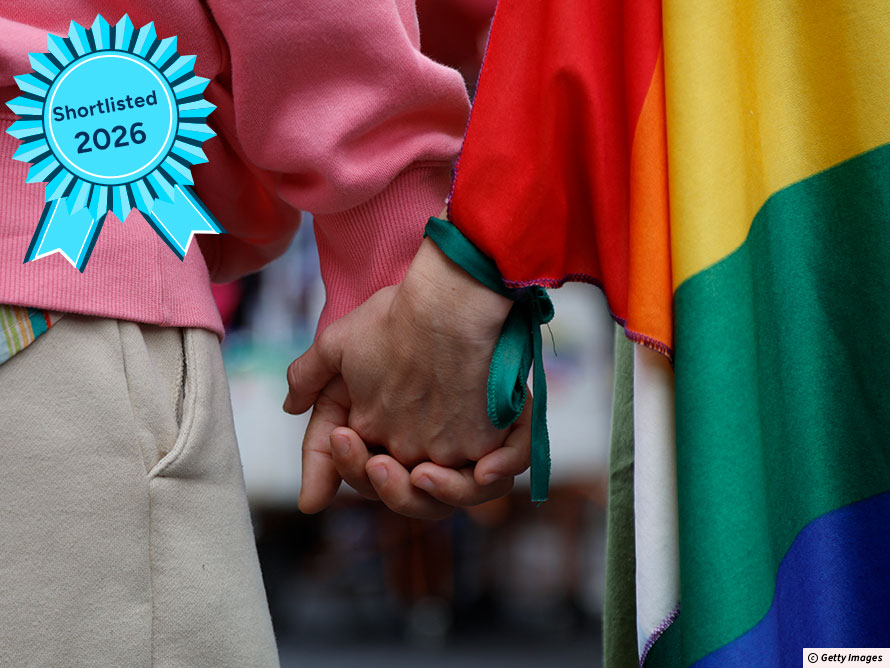
But nothing terrifies us more than love that refuses to conform. Two people of the same gender holding hands in public still provokes outrage, disgust, and moral panic — and in many places, something far worse: a death that families call honour. That, apparently, is where we draw the line.
We pride ourselves on our empathy — on our capacity to feel deeply, to love expansively, to consider ourselves, on the whole, morally superior. And yet, time and time again, humanity demonstrates how selective that empathy truly is.
We do not react to homosexuality with fear. Fear is instinctive —it bypasses reason. We react with something far more calculated: exclusion, practised disgust, and inherited contempt. These emotions are not reflexes; they are learned reactions, encouraged, and passed down through generations.
Calling it a phobia grants it the dignity of something justified. It does not deserve that.
I hate the word homophobia.
Because fear is human.
Brutality is a conscious decision.