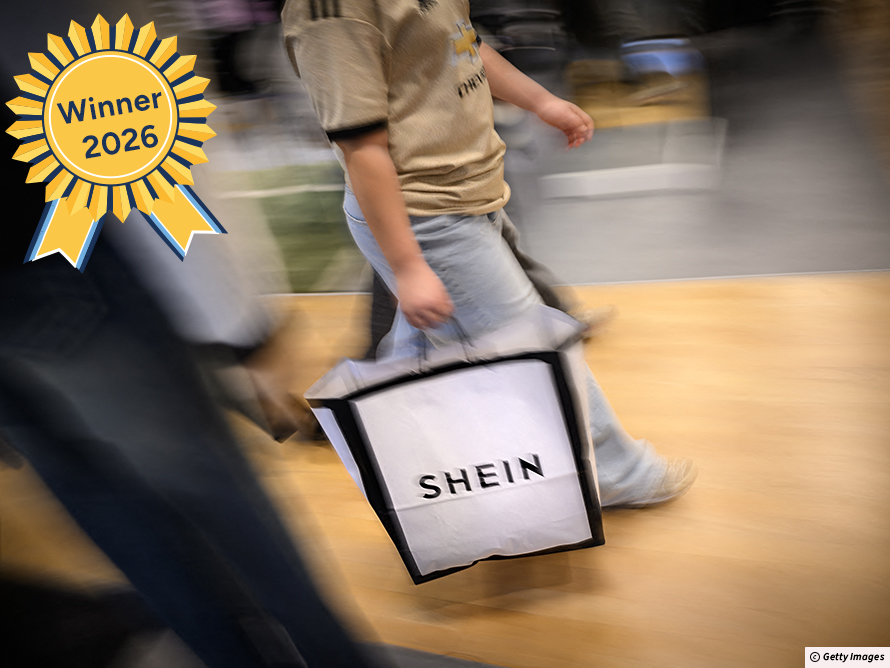
Thinks a cheap new t-shirt is a bargain? Well think again says Mateo Cruz Olivarez, 16, from Chatsworth International School, about what happens when an industry is powered by exploitation.
The fashion industry is one of the most destructive on the planet, and we celebrate it.
Annually, around 10% of global carbon emissions are attributed to the fashion industry; in return, we get clothes that are designed to fall apart after three wash cycles.
This is not an accident. Brands are releasing new collections every few weeks, not because the style is evolving, but because the business model revolves around disposability. The end goal was never about keeping us dressed; it was meant to keep us buying.
One cotton shirt uses around 2,700 litres of water to manufacture; that is enough water for one person for almost three years, all for a garment people are only going to wear a handful of times. This is not fashion, this is trash that comes with a price.
Do not be mistaken, there is no coincidence to why we see new trends every few weeks. Brands do this to make us feel left behind. They make last month’s purchase feel outdated, so we return and buy something new, and they have made an entire industry around making sure we never feel caught up.
Every year, half a million tonnes of microfibres are released into our oceans, the result of an industry that designs clothes meant to be replaced rather than worn. Yet no one ever seems to question this. The system has become so profitable that many of us have never stopped to think about an industry that has been around for decades.
For millions, a £50 ethical shirt is not a viable option. The clothes we buy from stores are not a luxury; they are a necessity, and our lives would be much different if we could only buy from stores that do not follow this fast fashion trend.
We think we have a freedom to choose, but this only works when we see the full picture. Fast fashion hides these impacts in the water we drink and the forests that help us breathe. This is what happens when an industry is powered by exploitation: the blame silently gets shifted on to the consumer.
Fast fashion about more than just buying clothes. Rather, it is about a system which puts profit over the people and our planet. Every time we throw away our clothes, we are agreeing that our planet is disposable.
I could say we need to shop sustainably, but I will not, because individual action will not mitigate the effects of a major structural problem. We need to target the source: the multi-billion-dollar corporations polluting our rivers and oceans.
So, the next time you see a bargain, with the tag marked at £10. Remember, it is the workers, the rivers and the ocean that paid for the rest.
Interested in submitting your own Student Voices article or video? Find out more here.
