What kind of world teaches children how to survive and suffer before it teaches them how to live, asks Kazi Arafa Islam, 13, from Longdean School.
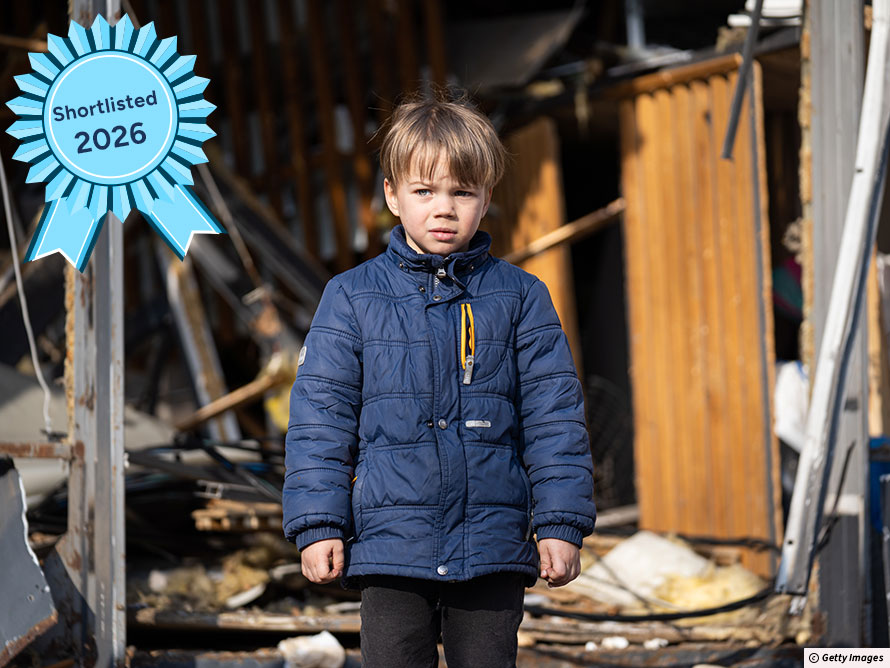
By the age of seven, he could recognise the sound of a missile before he could spell his name. By eight, he buried his father before he understood death. By nine, his own life was stolen.
Childhood did not eave him: it was taken.
This is not just one child – this is one among 473 million other children just like him.
We speak about war through numbers because numbers are easier to survive. However, behind every number is a soul waiting to hug their parents after a long, tiring day at school. Yet they arrive home to find that their parents are missing – nowhere to be found – hidden again among numbers.
The charity Save the Children reports that in 2022, one out of six children were living in a war zone. And we still call this the world we live in.
What kind of world teaches children how to survive before it teaches them how to live?
Waiting for the pain to end quickly, praying not to experience daylight again, she clings to her teddy bear tight before her eyes shut, resetting all the painful sights she witnessed that day, just to wake up to another one.
Some children do not dream of the future – they just hope to reach it.
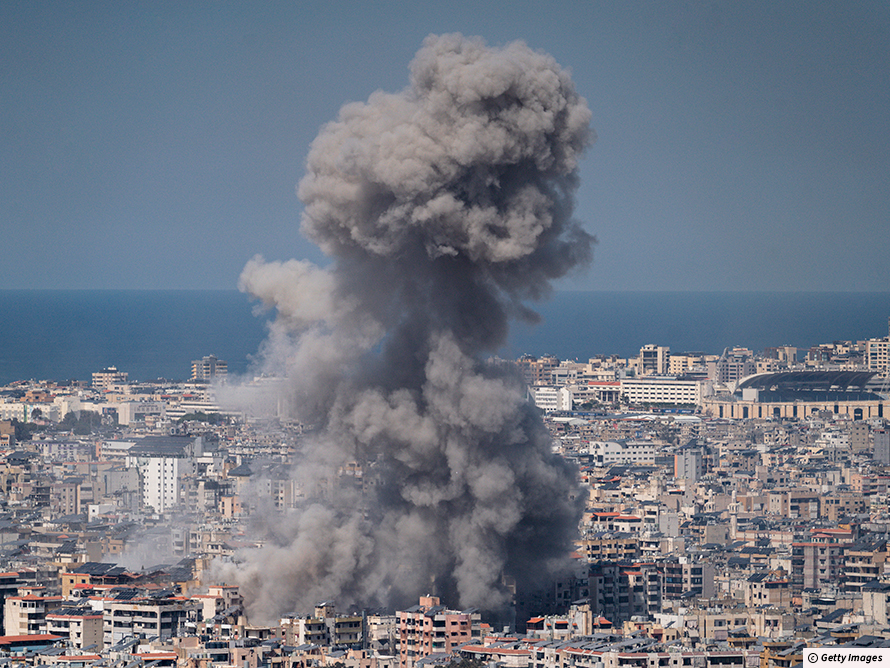
The daylight was once filled with rainbows, butterflies, and birds. Now, even the birds have fled. The once-blue sky, now transformed into a battlefield of deadly smoke. A girl gazes outside wondering if it will ever end.
Instead of bedtime stories, they listen to explosions. Instead of laughter, they hear sirens. Instead of dreams, they learn fear.
And yet, the world continues as normal.
Approximately 1.7 billion children or two out of every three children are living in a country affected by war. One is hiding. One is running. Only one is left to live the childhood every child deserves.
One day these children will grow up with memories heavier than any suitcases they were forced to flee with. They will remember hunger. Smoke. Silence. And their childhood being shattered into pieces by a world who turned a blind eye to them. When will the world wake up and recognise that the smallest victims carry the heaviest scars?
Some will argue that war is necessary – that it protects nations, creates freedom, and secures the future. But what future is there to secure, when children are paying the price?
Does it matter where this child is from? Whether they are running from bombs, fleeing their homes or starving just to survive another day?
War does not just destroy cities. It rewrites childhood.
From the comfort of my own bedroom, I am writing this to raise awareness for the people who cannot. With a mind to think about what words to write next, while they think about how long they may have left without food.
Children are not numbers.
They are not headlines.
And the moment they learn to fear the sky is the moment that humanity has already failed.
Interested in submitting your own Student Voices article or video? Find out more here.