
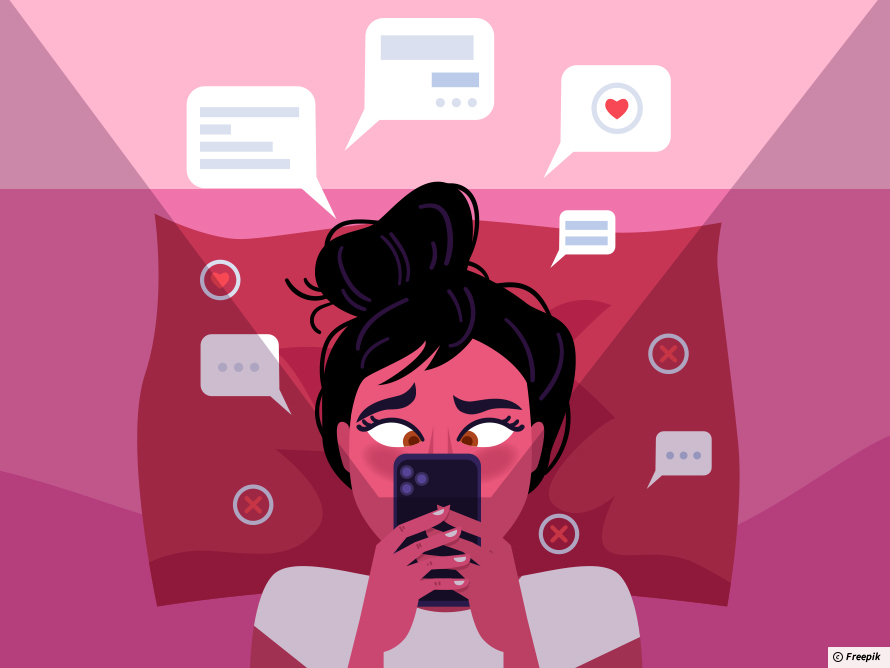
Think that everyone around you is having a better life? Well don’t get drawn into the world of FOMO, says Fatima Ismail, 14, from Sharples High School, try JOMO instead.
Many people, including me, feel frequently that everybody around us is enjoying themselves more than we are. We often feel left out and sometimes even frustrated due to our own discontentment and lack of fulfilment. This feeling is has been dubbed FOMO: fear of missing out.
FOMO is something that affects a great deal of us at least sometimes: whether for missing out on a specific event or a new activity. This feeling is more often than not ruled by a person’s reduced sense of satisfaction in their life.
It important to know why we feel it and when and how we can stop feeding the desire to be like everybody else.
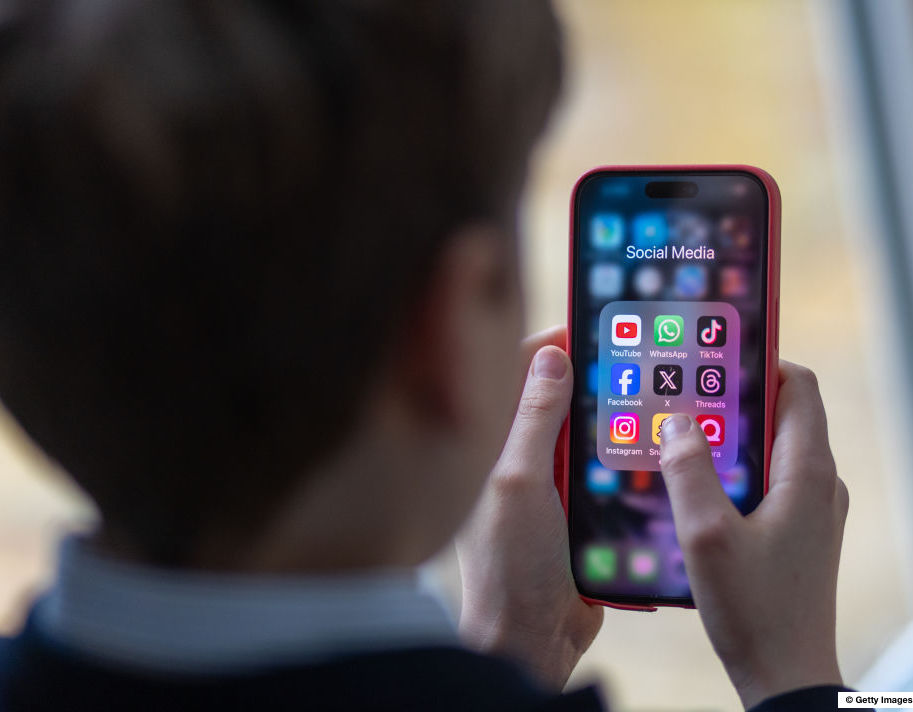
One of the main factors behind FOMO is social media. Many people, particularly teenagers, encounter a constant stream of videos showing people who are seemingly like us on various social media platforms. Yet these people seem to be always enjoying some activity or event, arousing feelings of envy or even anxiety in their viewers.
Social media may feel that these online people are living more interesting, exciting or rewarding lives while theirs are merely ordinary. This could lead to discontentment and even a lack of self worth.
FOMO may create a need to stay constantly connected to these people and what they are doing, which leads to someone constantly checking social media. As well as annoying those around them, this certainly dampens a person’s mood and may even impact their mental health. Focusing obsessively on somebody else’s achievements can often magnify what a person believes are their own shortcomings.
The fear of missing out is often worse when some feels FOMO about people they know1, as the achievements or the activities their peers undertake may seem more potentially achievable. This can instil either motivation or, perhaps more commonly, a feeling of hopelessness. Even when we miss events or activities that we would normally deem as unenjoyable or boring, we still feel bad at having missed them, especially if other people we know were there too.
What could result from this is someone feeling compelled to attend each and every event they possibly can, just to feel included. Unfortunately, can lead to overspending on products, restaurants and sometimes even holidays, in a bid to avoid missing out on something.
A possible solution to this rising predicament would be to embrace “the joy of missing out”, or JOMO. Disconnecting yourselves from other’s validation, as well as staying away from temporary satisfaction is certainly a powerful alternative to hoping to be included in everything.
Another suggestion would be to enforce the social media ban that is currently being considered for young people in the UK. However, a more effective way to avoid FOMO is to provide teenagers and young people with a deeper sense of meaning in their lives. In a world full of influencers and social media, it is vital to remember that not every single thing you see or hear is something you need, or even want, to be a part of.
Interested in submitting your own Student Voices article or video and automatically entering our Student Young Journalist of the Year Awards? Find out more here.
References
1. What Causes People to Get FOMO and Who is More Likely to Get It?







merstham park school - 9H5
I think this is a really good idea as it helps the minds of young people manage overthinking and helping improve their mental health, and has also helped me with the way I think of thinking your ‘missing out’ all the time, when you may not want to be associated with.
The Thomas Alleyne Academy - 8D2
Young people possibly teenagers to young adults but could be all ages due to what they see on social media. Less strict parents who monitor their child’s social media maty not be as affected. People with less money.
Farnborough hill - 7A
I think this helps people to understand that you don’t have to be at every event there is to be made if you don’t go to an event it doesn’t mean you should feel like you failing your friends by not going.
Bohunt Horsham - English
What’s the point of missing out