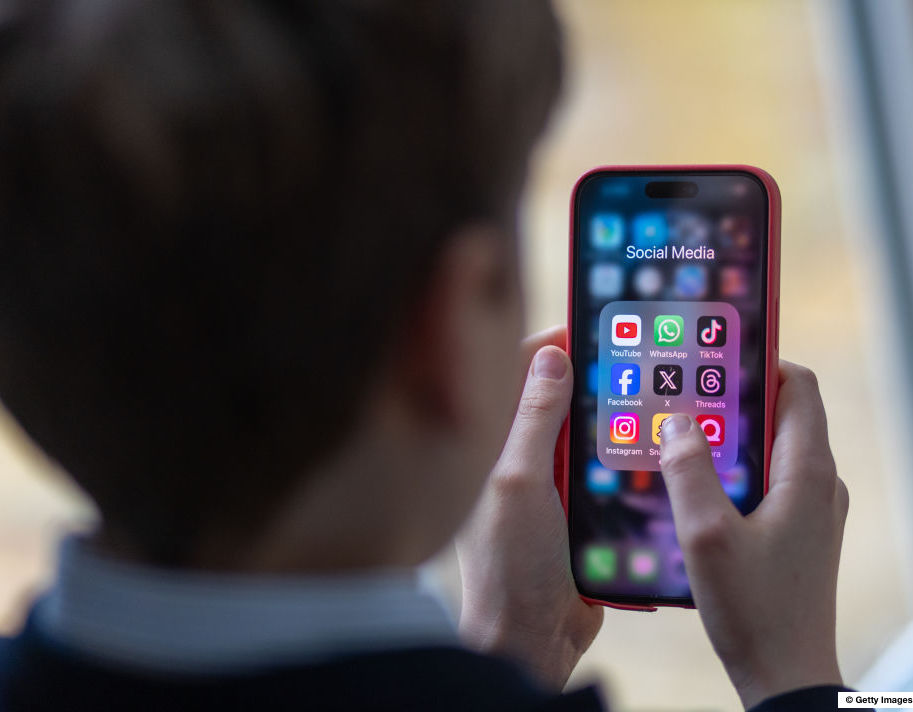
A click today could seriously impact your future, warns Daisy Nolan, 15, from Priory School Southsea.
Imagine a world where you’re hated for having your own beliefs. Imagine a world where your future or life can be ruined in just a few clicks. Imagine a world where people deliberately spread false information to harm others. Well that’s the reality and here is the truth.
I’m Daisy, and I have a strong interest in current affairs and how social media shapes, influences, and can completely distort what people believe about the world.
Social media has a dangerous habit of telling stories about serious situations without providing any background, context or reasoning as to why events have happened. An example of this is the Israel v Palestine conflict. This conflict dominates social media, surrounded by intense hatred towards a group of people based on their religion or background, even though many of those individuals may not support the actions of the state associated with that religion.
The lack of understanding of the history and complexity of the conflict strongly affects people’s opinions. It allows users to believe they are informed when they’re not, leading them to post hateful or false statements to influence others on which side they should support.
Another major issue is how social media encourages people to follow others without question. I experienced this personally when a friend reposted an image on her Instagram story as the war became a major topic online. When I asked her what the image meant, she admitted she did not know and had posted it only because everyone else was. I told her that the image meant support for one side in a war that she was unaware was even happening. This highlights how easily people can be influenced by what is popular rather than what is informed.
Social media also has a significant impact on people’s futures. Digital footprint is real and it can have serious consequences. For example, England cricketer Ollie Robinson was suspended from international cricket after old tweets were discovered that were considered racist and sexist. These tweets were posted when he was 18 and 19 years old, but resurfaced when he was 27. People grow and learn from things that were wrong, but once something is posted online, it’s there forever. Many people fail to take this seriously enough.
Even liking or sharing a post can be used against you if it can be seen as morally wrong. Donald Trump recently said that anyone wanting to move or visit America will have the past five years of their social media reviewed and if he doesn’t like it, you will get pulled to one side. This shows how a single comment or like from years ago can affect your opportunities today.
It’s also important to understand the difference between misinformation and disinformation. Misinformation is false information shared without the intent to cause harm. For example, during Sudan’s civil war, some social media posts have spread incorrect information confusing many. Disinformation, however, is false information shared deliberately to cause harm. Vladimir Putin spread disinformation by falsely claiming Ukraine was a Nazi state to justify the invasion, using bots to target vulnerable audiences.
Finally, censorship plays a major role. Countries like China heavily censor events such as the Tiananmen Square massacre, erasing their history completely. Russia also censors content that portrays the state negatively, leaving citizens unaware of the harm caused to millions.
Overall, social media has many negative impacts, and we need to be more careful. Don’t believe everything you see, be thoughtful, and look into things. Social media is a huge factor in modern life and we are all at risk in this online dystopia.
Interested in submitting your own Student Voices article or video? Find out more here.

John Chilton School - P3
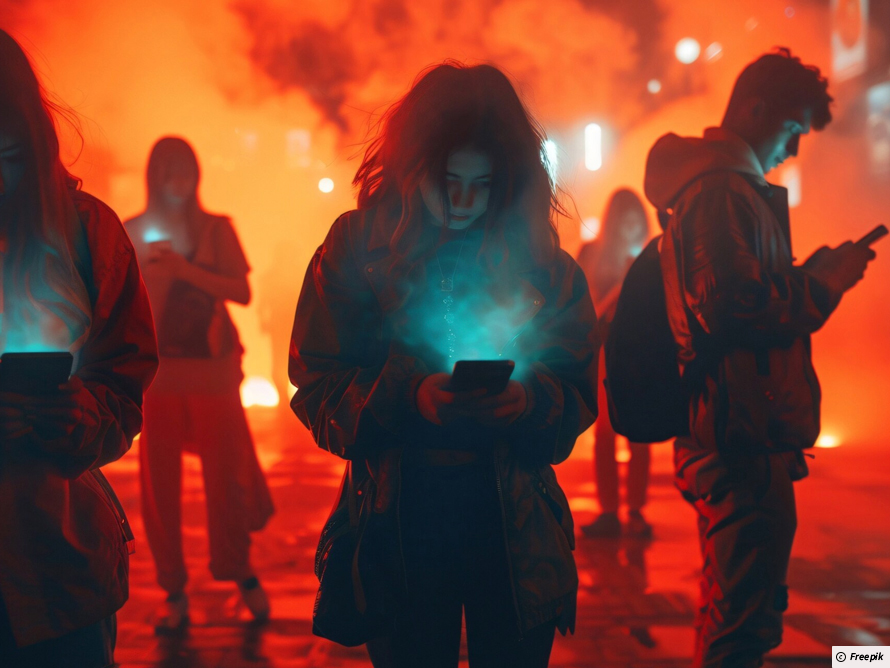
We think that sometimes phones are bad
Tomlinscote - 7L
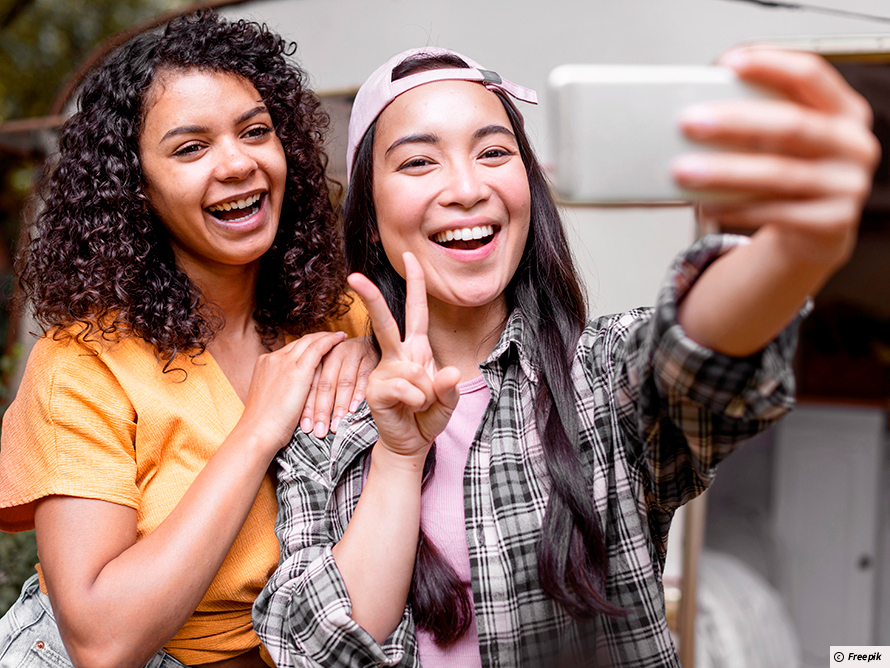
We think that social media is a bad and good thing at the same time.