
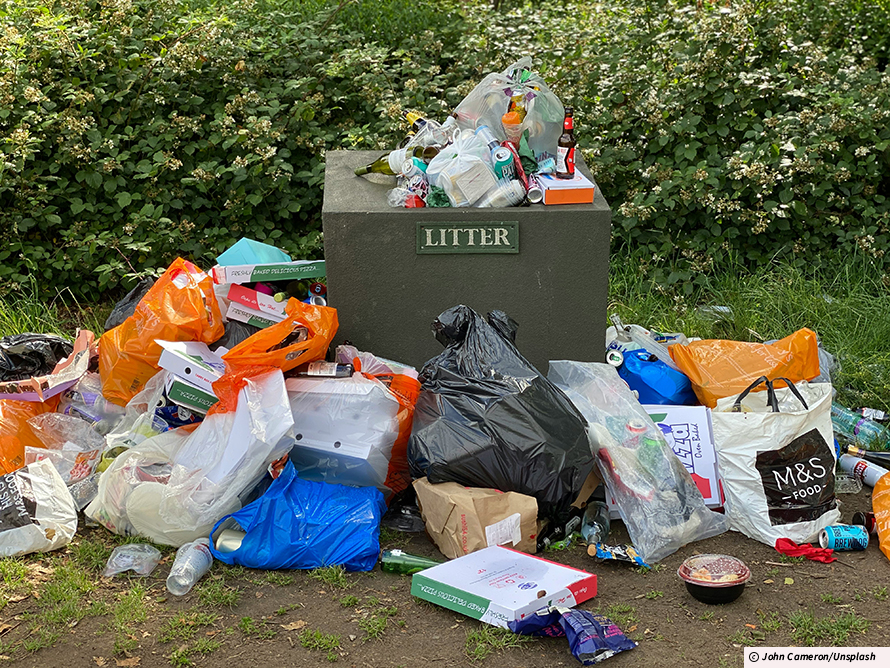
Dropping litter is a significant environmental crisis that threatens ecosystems, wildlife, and human health, says 13-year-old Keilyn Morrisey.
While often dismissed as a minor habit, the cumulative effect of discarded waste is staggering, with billions of pieces of trash entering our waterways and soil each year. For students and young leaders, understanding the scale of this problem is the first step toward reclaiming a cleaner, more sustainable planet.
The numbers behind the crisis are sobering. According to the 2020 National Litter Study by the campaign group Keep America Beautiful, there are nearly 50 billion pieces of litter along US roadways and waterways – averaging approximately 152 pieces for every American resident.
Much of this waste consists of plastics, which do not biodegrade but instead break down into microplastics that contaminate the food chain. The United Nations Environment Programme (UNEP) reports that between 19 and 23 million tonnes of plastic waste leak into aquatic ecosystems annually, fundamentally altering natural habitats
The consequences of littering extend beyond the environment to significant economic and safety concerns. In the US alone, cleaning up litter costs an estimated $11.5 billion (£8.5 billion) each year, money that could otherwise support education, technology, or community development.
Furthermore, littering poses a direct threat to wildlife; researchers estimate that over one million animals die annually from ingesting or becoming entangled in improperly discarded packaging.
“Picking up litter is a really simple thing you can do to make a difference in the places you love,” says Jennifer Lawson, President and CEO of Keep America Beautiful. This sentiment highlights a balanced perspective on the issue. While large-scale systemic changes in manufacturing are necessary, individual behaviour remains a primary driver in littering.
The data suggests that approximately 85 percent of littering is the result of individual attitudes and intent, yet research also shows that people are less likely to litter in areas that are already clean and well-maintained.
Addressing the litter problem here as well as in the US requires a combination of better infrastructure – such as more accessible recycling bins – and a shift in daily habits. As the next generation of decision-makers, students have the power to influence their peers and communities.
By participating in local cleanups or simply committing to the “152-piece challenge” to clear their share of the national average, young people can lead the transition from a “throwaway society” to one that values the health of the planet.
Interested in submitting your own Student Voices article or video and automatically entering our Student Young Journalist of the Year Awards? Find out more here.
