Could we end illness? Scientists have managed to slow down Huntington’s disease, a deadly condition passed through families. Some think this could be the beginning of a disease-free future.
Found! Treatment for ‘cruellest’ disease
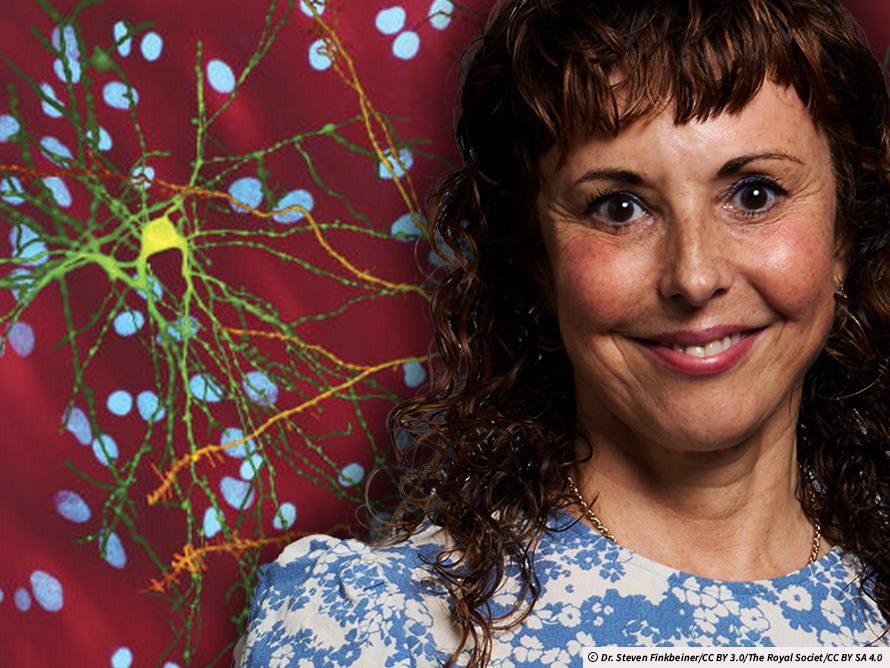 Hope hunting: Professor Sarah Tabrizi (above), is renowned for her pivotal work as a scientific advisor on the development and clinical trials of AMT-130, a groundbreaking gene therapy that has shown promising results in slowing the progression of Huntington's disease.
 Glossary
Mutations - Changes to the structure of genes.
Dementia - A syndrome associated with memory loss and other declining brain functions.
Leprosy - A chronic bacterial disease. Once known pejoratively as lepers, sufferers were historically forced to live in colonies, isolated from others.
Polio - An infectious disease that affected children all over the world. It left victims paralysed or unable to move their muscles.
Malaria - A serious parasite infection transmitted by mosquito bites. It is one of the world’s most lethal diseases.
Immunologist - A scientist or doctor who studies, diagnoses, and treats disorders related to the immune system, such as allergies, autoimmune diseases, and immunodeficiencies.
Viruses - Very small organisms that cause infections and illnesses.
Smallpox - A disease estimated to have killed 300 million people in the 20th Century.
Hypothetical - Based on an idea or theory that has not been proven but is assumed for the sake of argument or discussion.