Fantasy fiction can teach us a great deal about modern life, says Katyayni Mukerjea, 13, from Pathways School, Noida, and it can even provide a form of refuge.
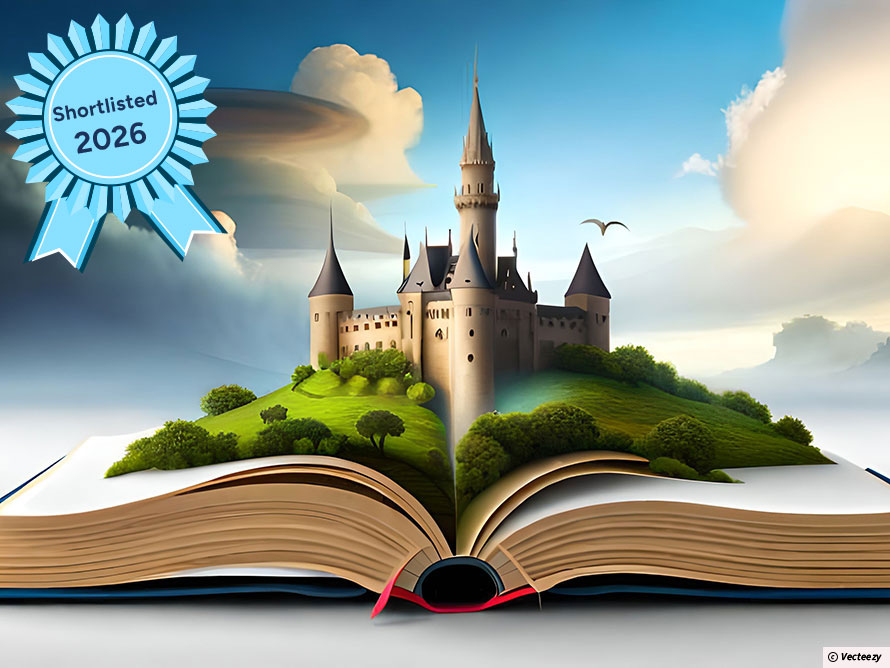
Imagine entering a new world with the flip of a page and the rustle of paper.
Suddenly, you are no longer on Earth – you are in a new universe. Light illuminates every step, you hear sounds you have never heard before, you see buildings framed against a multi-hued horizon and all manner of creatures, many magical, glide by.
This is what fantasy fiction feels like. You step out of the everyday, and enter something make-believe.
But is that really the case?
My generation – which was not even born when the first Harry Potter book was published – has been locked in an everyday struggle to justify why fantasy fiction is just as good as any other genre for adolescents.
Our elders draw the line at Tolkien, who made this genre respectable, and the Harry Potter series, which gave it a second lease of life, but The Serpent and The Wings of Night? No way!
In India, where I live, even though fantasy fiction is one of the fastest growing categories, we are still called upon to defend our choices. Against names such as Wodehouse, Agatha Christie, Dickens, and so on. I squarely blame this on our colonial “overhang”.
But in defence, I say this: if Dickens held a mirror to Victorian England, then the Shatter Me series, one of the best in the genre, does the same to modern life.
The main character Juliette is treated like a monster due to her special power of lethal touch. The Reestablishment (the state) controls people through fear, strict rules, and violence. This is a doppelganger of our world today where governments and powerful people abuse authority or manipulate citizens to get what they want, while ordinary people suffer.
It is like a pool of water, you look at it and see reflections of your life.
These books hold many life lessons inside their pages. Characters face extreme situations, showing readers how people react to pain and responsibility. Heroes fight monsters like we fight trauma, fear or expectations in real life. Superheroes feel different from everyone else, struggle to belong, yet learn to accept themselves for who they are. They fail, lose, tremble, but keep going, reminding us that growth often comes through struggle.
Fantasy exaggerates these feelings through magic, kingdoms, powers, prophecies, etc.
Furthermore, these books are pathways to freedom. Authors can convey “controversial” opinions. By disguising the truth in words of conviction and arcane terms, writers can express their views on global world matters, politics, social struggles, and much more.
Yet, paradoxically, fantasy fiction at its simplest, is also a form of refuge. After an argument, when you want to escape from the world, just pick up a fantasy fiction book. Much like entering a candy shop after a doctor’s appointment; it can offer a safe space for those who perhaps do not have the means to feel safe in real life.
After all, what better way to learn about humanity than through worlds that are not entirely human?
Interested in submitting your own Student Voices article or video? Find out more here.
