Living sustainably does not just cost more, it demands time and effort that not everyone can afford, says Jan Carballeira, 16, from Chatsworth International School, Singapore.
Sustainability has long assumed the ethical high ground, a form of virtue signalling seen in the use of reusable tote bags, carbon-neutral pledges, and plant-based diets.
We are told caring about the planet is not just admirable, but necessary, a responsibility. Beneath this narrative lies an ugly truth: sustainability as promoted in our world is a privilege. It ignores the simple reality of millions of people.
Sustainability is demanding and just not within reach.
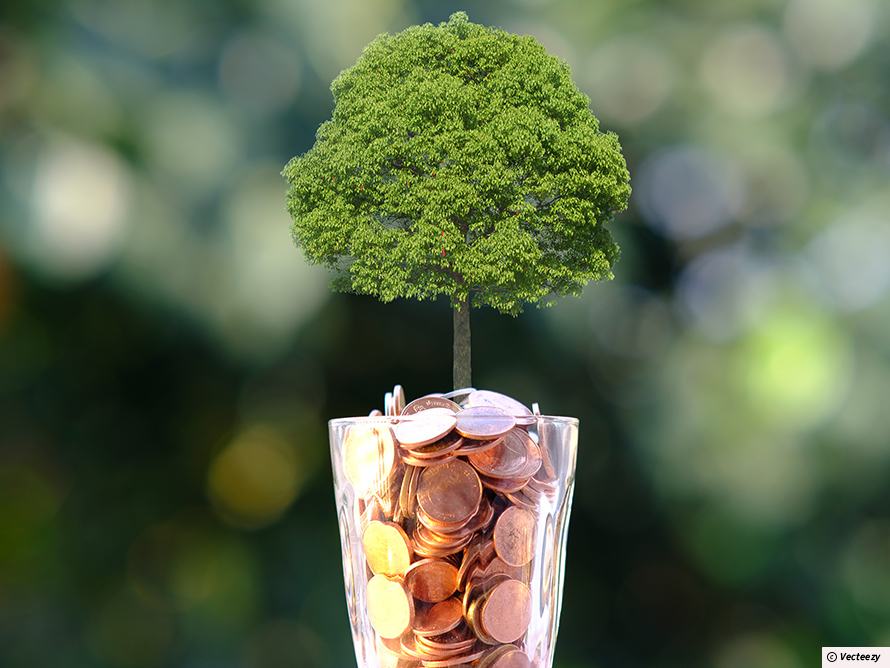
The price of sustainability is extortionate, making it inaccessible to many. The push towards ethically sourced goods, organic produce, and eco-friendly alternatives often comes with significantly higher price tags.
Studies from consulting firm Kearney show these products can cost, on average, 75-80% more than conventional options. This alone blatantly exposes sustainability’s dirty little secret; its inaccessibility.
While some consumers are willing to pay this increase, framing it as ethical consumption, most cannot afford to.
These “responsible” choices overlook the reality of lower-income households that are forced to prioritise cost over conscience. A family struggling to make ends meet is far more likely to choose cheaper, processed alternatives over costly organic options, out of necessity.
Sustainability is no longer just about environmental responsibility; it requires financial flexibility that many do not have. The image of sustainable living is built around habits like cooking fresh meals, avoiding waste, and spending time comparing brands to find the most eco-conscious and ethical one.
These require time, energy, and commitment. For people working long hours, juggling multiple jobs, or managing families, this way of living does not align with their lives.
Convenience is the only practical option for some, yet toxic sustainability culture shames these people and their lives.
This judgment is ridiculous. Access shapes who gets to be sustainable at all, and most people do not have access to the infrastructure needed to live in a sustainable way. Whether that is public transport, recycling facilities, or stores that sell unpackaged goods. In these cases, “unsustainability” is the only option. Calling sustainability a moral obligation ignores the fact people are not all dealt the same cards.
This is not to argue against sustainability itself, but to rethink who is held responsible. Instead of placing pressure on people, there needs to be a shift towards systems driving large-scale environmental damage.
Companies, corporations, and industries play a far larger role in polluting, yet they are often held the least accountable. Unfair pressure is placed on people with financial barriers and limited resources.
Sustainability cannot be seen as a universal moral obligation when access to it is unequal. It is only possible when people are given the time, money, and resources to act on it.
Interested in submitting your own Student Voices article or video and automatically entering our Student Young Journalist of the Year Awards? Find out more here.