
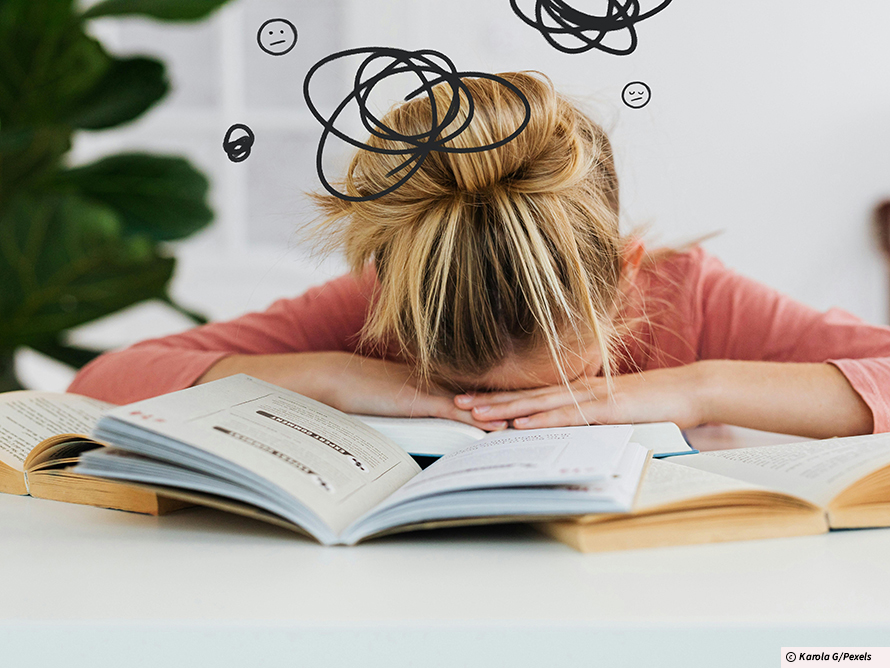
In today’s fast-paced world, students are facing more pressure than ever before, says Sreshta Kura, 13, and academic demands and high expectations create constant stress.
Social media and the “digital life” introduce a new kind of pressure that previous generations never experienced. Together, these forces create a powerful challenge that affects students’ mental health and overall well-being worldwide.
Student stress is a global issue that affects learners across all cultures and education systems. According to the World Health Organisation, mental health conditions account for a significant portion of illness among adolescents worldwide.
Many students feel intense pressure to achieve high grades, meet parental expectations, and secure a successful future. On top of this, they often juggle extracurricular activities, social responsibilities, and
sometimes even part-time jobs, making it difficult to maintain balance.
Heavy homework demands, frequent exams, and the fear of failure can overwhelm students.
Research shows that a large percentage of students report feeling stressed about schoolwork regularly. Even a single factor like exam pressure can affect sleep, concentration, and confidence.
And then there is social media: studies suggest that teenagers spend an average of 4–7 hours per day on platforms such as Instagram, TikTok, and Snapchat. While these platforms can be entertaining and useful, they often expose students to unrealistic beauty standards, highlight reels of others’ lives, and constant comparison. This can, in turn, lead to fear of missing out (FOMO), low self-esteem, and even
cyberbullying
When academic pressure and social media stress combine, the effects can be serious. Many students experience anxiety, mental exhaustion, poor sleep, and reduced confidence.
Studies from the National Sleep Foundation show that teenagers need around 8–10 hours of sleep, yet many do not get enough, whether because of late-night studying or screen use. And sleep deprivation weakens the immune system, reduces focus and increases stress levels.
The impact goes beyond school performance. Constant stress can affect a student’s happiness, relationships, and overall quality of life. The cycle of worrying about grades while comparing oneself to others online can make everyday life feel overwhelming
However, there are ways to manage and reduce this pressure. Developing strong time management skills can help students organise their workload and make time for rest. Practising mindfulness, such as deep breathing or meditation, has been proven to reduce stress levels. And regular physical activity also plays an important role in improving both mental and physical health.
If you are feeling the impact of all this pressure, you could try the following: talk to teachers about workload concerns; focus on learning and progress rather than perfection; and break assignments into smaller, manageable tasks.
You could also try to develop healthy screen habits such as: limiting daily social media use; turning off notifications during study time; and follow inspiring and positive content only.
It can also help to practice mindfulness for a few minutes a day, maintaining a consistent sleep schedule and making time for hobbies and relaxation.
Schools and communities have a responsibility to support students. Creating safe spaces for discussions about mental health and providing access to counselling can make a huge difference. On a larger scale, society must shift its focus, from purely academic success to a more balanced view that values well-being.
The reality is clear: students today are under immense pressure. But by understanding the causes, recognising the effects, and taking action, it is possible to create a healthier, more balanced life.
Schools, families, and communities must work together to support young people, ensuring that success is not measured by grades alone but by well-being and happiness too.
Interested in submitting your own Student Voices article or video and automatically entering our Student Young Journalist of the Year Awards? Find out more here.
